


Will My Teeth Move Back If I Forget to Wear My Retainers? Why Retention Matters
Apr 16, 2026
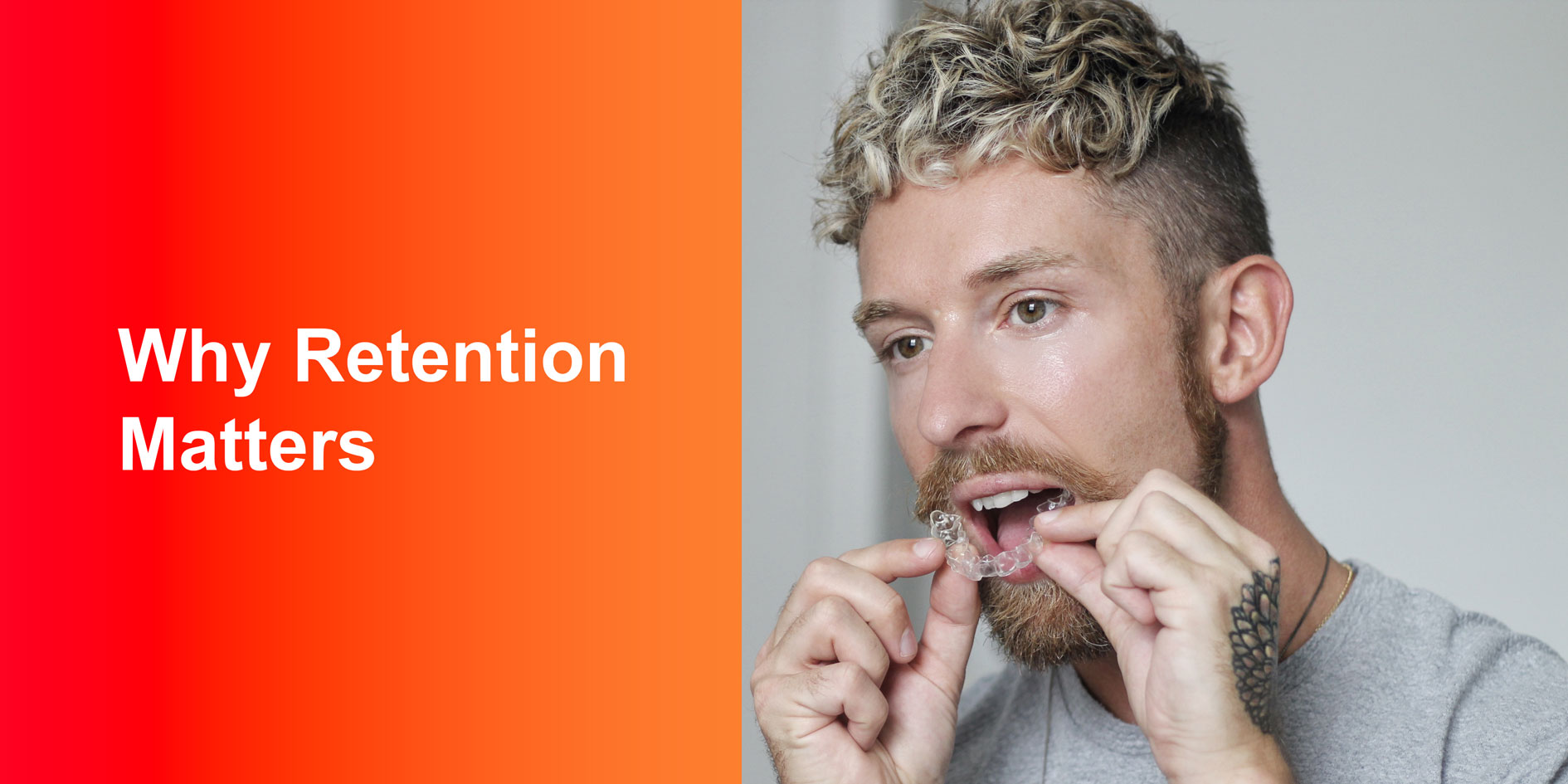
You have finished active treatment and love your new smile. Now comes the often overlooked phase that keeps it that way: retention. If you have ever wondered what happens if you forget your retainers, you are not alone. The good news is that most lapses can be managed if you act promptly and follow professional advice.
This guide explains the biology behind tooth movement after treatment, what to do if you lose or damage a retainer, and how to build a simple routine that protects your result long term. It applies whether you had Invisalign® or fixed braces.
Why Teeth Try to Move Back
Teeth are held in bone by tiny fibres and soft tissues. During orthodontic treatment those fibres are stretched and the bone around the roots remodels. When active treatment ends, those fibres take time to settle and the bone continues to mature. This period is when your teeth are most likely to drift. Changes in growth, chewing patterns and oral habits can also influence position over time.
Relapse is normal biology, not a failure of your treatment. Retainers counter this tendency by holding your teeth in their corrected positions while the supporting tissues stabilise, and by offering ongoing support against gradual changes in adulthood.
Will My Teeth Move Back If I Forget to Wear My Retainers?
Possibly, and how much depends on timing and how long you go without them.
- In the first few months after Invisalign® or fixed braces, teeth can shift quickly if retainers are not worn as advised
- After the first year, the risk reduces but does not disappear
- If your retainer feels tight, some movement has likely occurred
Do not force a retainer that does not seat properly. Contact your orthodontic team for advice.
How Long Do I Need to Wear Retainers?
Every smile is different, but a common schedule is:
Immediately After Treatment:
Full-time wear for 1 to 2 weeks or as prescribed by your Specialist Orthodontist.
Transition Phase:
Night-time wear, often every night for 6 to 12 months.
Long Term:
Ongoing night-time wear several nights a week, often indefinitely.
If you have a fixed bonded retainer, removable retainers are still usually recommended for full-arch stability.
Fixed Retainers vs Removable Retainers
Fixed Retainers:
A thin wire bonded behind the front teeth that works continuously. They are discreet but require careful cleaning and monitoring.
Removable Retainers:
Clear trays that are easy to clean and replace if needed, but require consistent wear.
Most patients benefit from a combination of both, tailored by a Specialist Orthodontist.
What to Do If You Have Lost or Damaged Your Retainer
Act quickly to prevent unwanted movement.
If It Still Fits:
Continue wearing it and contact your clinic for advice.
If It Is Cracked:
Arrange a replacement promptly to avoid breakage.
If It No Longer Fits or Is Lost:
Book an appointment as soon as possible A new retainer or short aligner course may be needed.
Building a Retention Routine That Sticks
Simple habits can protect your smile long term:
- Store retainers in their case
- Clean them daily with a soft brush
- Set reminders for night-time wear
- Bring them to check-ups
Remote tools like Dental Monitoring can support your progress and reduce unnecessary visits.
Retention for Teens and Adults
Teens:
Growth and busy routines make consistent wear essential. Reminders and structured habits help maintain results.
Adults:
Teeth can drift with age, so long-term retainer use is key to preserving your smile.
What Clinic Support Looks Like
At Queensway Orthodontics, retention is planned from the start. Your Specialist Orthodontist will guide your wear schedule, check retainer fit and provide ongoing support.
Digital scans and Dental Monitoring help ensure accurate replacements and convenient follow-up care.
Quick Answers to Common Questions
Will my teeth move back if I forget my retainers?
Some movement is likely, especially soon after treatment.
Why is retention important after Invisalign®?
It stabilises teeth and prevents natural drifting.
What should I do if I lose my retainer?
Contact your clinic immediately for a replacement.
Summary and Next Steps
Retention is essential to keeping your smile straight after orthodontic treatment. Teeth naturally try to move, especially in the months after treatment, and retainers provide the support needed to maintain your results.
If you lose a retainer, forget to wear it or notice changes, act quickly and seek advice.
Need help with retainers or thinking about Invisalign®? Contact Queensway Orthodontics today and keep your smile on track for the long term.
backVisit Us
We have 9 convenient locations - select our orthodontic practice nearest you for contact information and to book a consultation.
Your Billingham orthodontist
170 Queensway,
Billingham
Teesside TS23 2NT
Opening Times*
*Physical access to clinics may not be the same as the published service times. Please check in advance if you do not have an appointment before visiting.
- Monday
- 8:00am - 7:00pm
- Tuesday
- 8:00am - 7:00pm
- Wednesday
- 8:00am - 7:00pm
- Thursday
- 8:00am - 7:00pm
- Friday
- 8:00am - 5:30pm
- Saturday
- 9:00am - 1:00pm
- Sunday
- Closed
 Open in Google Maps
Your Bishop Auckland orthodontist
10 Newgate Street,
Bishop Auckland
DL14 7EG
Opening Times*
*Physical access to clinics may not be the same as the published service times. Please check in advance if you do not have an appointment before visiting.
- Monday
- 8:00am - 7:00pm
- Tuesday
- 8:00am - 7:00pm
- Wednesday
- 8:00am - 7:00pm
- Thursday
- 8:00am - 7:00pm
- Friday
- 8:00am - 5:30pm
- Saturday
- 9:00am - 1:00pm
- Sunday
- Closed
Your Local Consett Orthodontist
33-35 Middle Street,
Consett
DH8 5QP
Opening Times*
*Physical access to clinics may not be the same as the published service times. Please check in advance if you do not have an appointment before visiting.
- Mon - Thurs
- 8:00am - 7:00pm
- Friday
- 8:00am - 5:30pm
- Saturday
- 9:00am - 1:00pm
- Sunday
- Closed
Your Expert Darlington Orthodontist
2B Duke Street ,
Darlington
DL3 7AA
Ortho.Darlington@queensway.co.uk
Opening Times*
*Physical access to clinics may not be the same as the published service times. Please check in advance if you do not have an appointment before visiting.
- Mon - Thurs
- 8:00am - 7:00pm
- Friday
- 8:00am - 5:30pm
- Saturday
- 9:00am - 1:00pm
- Sunday
- Closed
Your Private Orthodontist in Jesmond, Newcastle
1st Floor, 13 Eslington Terrace,
Jesmond
Newcastle upon Tyne NE2 4RJ
Opening Times*
*Physical access to clinics may not be the same as the published service times. Please check in advance if you do not have an appointment before visiting.
- Mon
- Closed
- Tues - Thurs
- 8:00am - 7:00pm
- Friday
- 8:00am - 5:30pm
- Saturday
- 9:00am - 1:00pm
- Sunday
- Closed
Your Trusted Orthodontist In Stockton
4 Tennant Street ,
Stockton-on-Tees
TS18 2AT
Opening Times*
*Physical access to clinics may not be the same as the published service times. Please check in advance if you do not have an appointment before visiting.
- Mon - Thurs
- 8:00am - 7:00pm
- Friday
- 8:00am - 5:30pm
- Saturday
- 9:00am - 1:00pm
- Sunday
- Closed
Leading Orthodontist In Yarm
17A High Sreet,
Yarm
TS15 9BW
Opening Times*
*Physical access to clinics may not be the same as the published service times. Please check in advance if you do not have an appointment before visiting.
- Mon - Thurs
- 8:00am - 7:00pm
- Friday
- 8:00am - 5:30pm
- Saturday
- 9:00am - 1:00pm
- Sunday
- Closed
Your Leading Sunderland Orthodontist
The Green ,
Southwick
Sunderland SR5 2HT
Opening Times*
*Physical access to clinics may not be the same as the published service times. Please check in advance if you do not have an appointment before visiting.
- Monday
- Closed
- Tuesday
- 8:00am - 7:00pm
- Wednesday
- Closed
- Thursday
- 8:00am - 7:00pm
- Friday
- Closed
- Saturday
- 9:00am - 1:00pm (2nd Sat in a month)
- Sunday
- Closed
Your Top Orthodontist In Washington
The Elms,
Washington
Front Street Concord NE37 2BA
Opening Times*
*Physical access to clinics may not be the same as the published service times. Please check in advance if you do not have an appointment before visiting.
- Monday
- 8:00am - 7:00pm
- Tuesday
- Closed
- Wednesday
- 8:00am - 7:00pm
- Thursday
- Closed
- Friday
- 8:00am - 5.30pm
- Saturday
- 9:00am - 1:00pm (4th Sat in a month)
- Sunday
- Closed